Hydro Excavation vs. Traditional Digging Methods: What You Need to Know
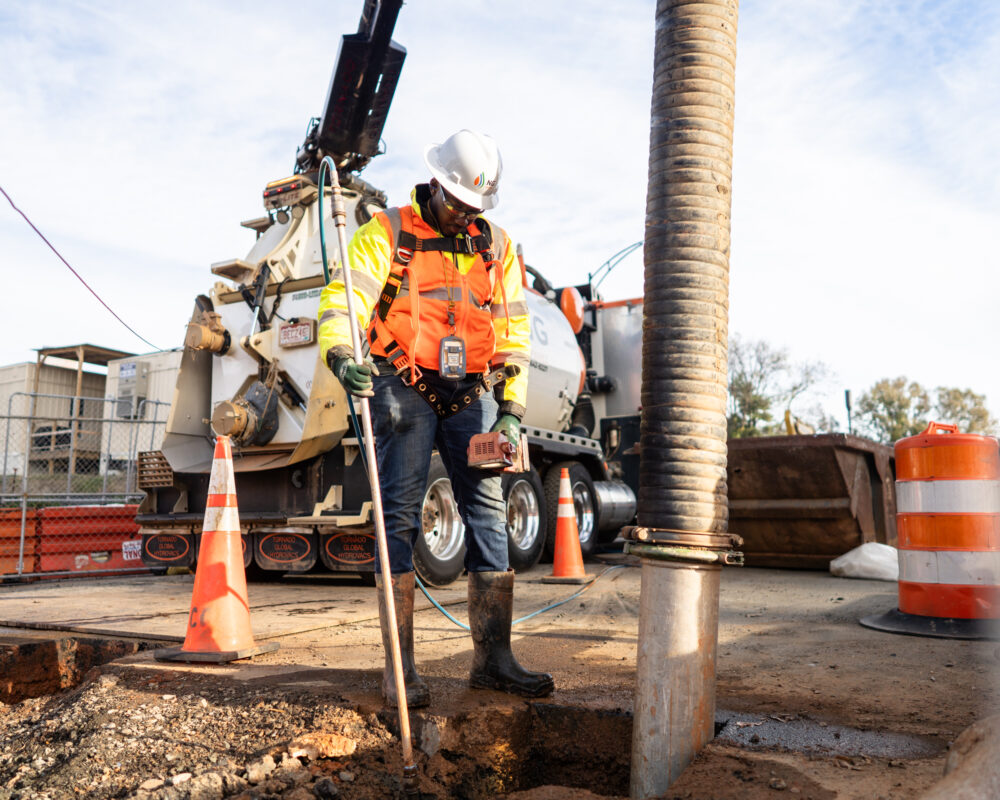
When it comes to excavation, choosing the right method can mean the difference between a project that runs smoothly and one plagued by costly delays, safety incidents, and infrastructure damage. Traditional mechanical digging has been the industry standard for decades, but hydro excavation has rapidly emerged as the preferred method for precision work near underground utilities. Understanding the differences between these two approaches is essential for contractors, project managers, and engineers who want to minimize risk while maximizing efficiency.
Safety: The Most Critical Difference
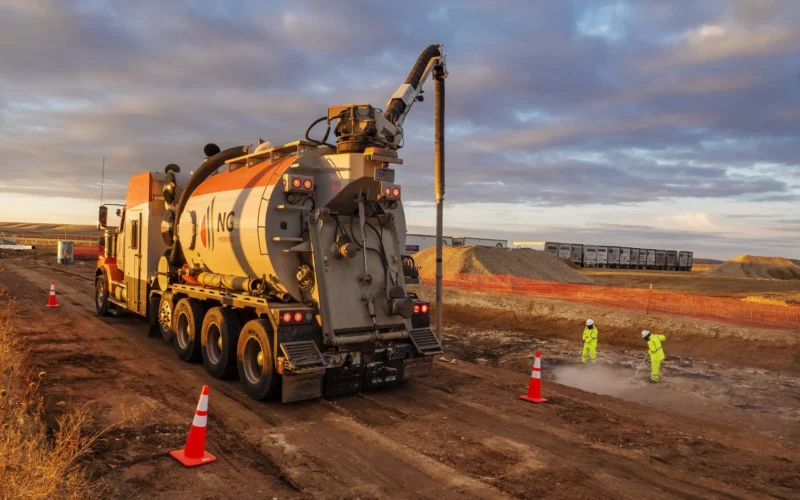
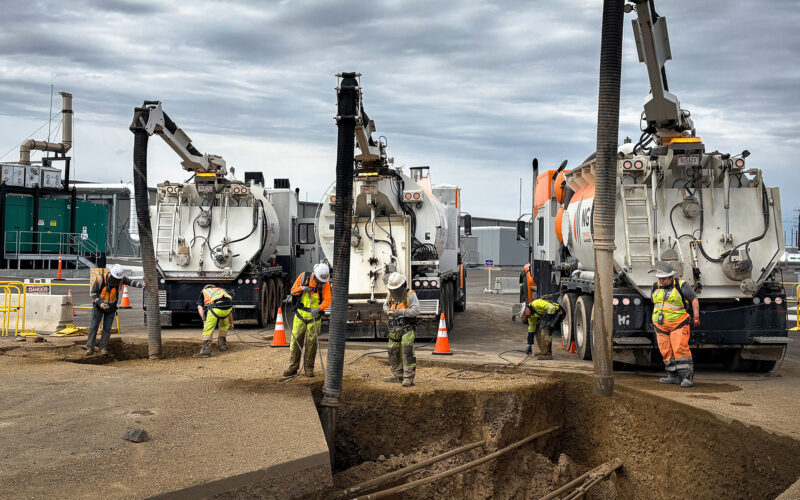
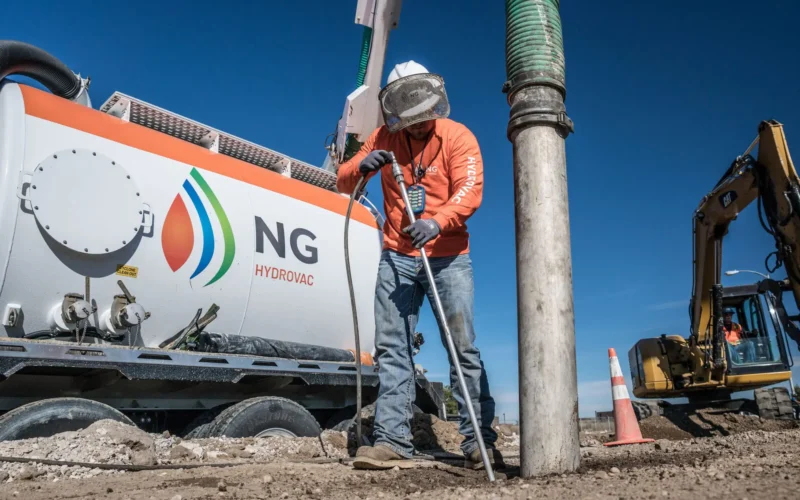
Traditional excavation relies on heavy mechanical equipment such as backhoes, trenchers, and excavators. While these machines are powerful, they pose significant risks when digging near buried utilities. A single strike on a gas line, fiber optic cable, or water main can result in service outages, environmental hazards, injuries, and regulatory fines. Hydro excavation eliminates this risk by using pressurized water to break up soil and a vacuum system to remove the debris. Because there is no mechanical contact with subsurface infrastructure, the chance of accidental utility strikes drops to nearly zero.
Precision and Accuracy
Hydro excavation offers a level of precision that traditional methods simply cannot match. The pressurized water stream can be directed to excavate exact areas, creating clean and well-defined holes without disturbing the surrounding soil structure. This is particularly important for potholing, daylighting, and slot trenching operations where accuracy is paramount. Traditional digging, by contrast, tends to over-excavate, creating larger holes that require more backfill material and longer restoration times.
Cost and Speed Considerations
At first glance, traditional excavation may appear less expensive due to lower hourly equipment rates. However, when you factor in the total cost of a project, including restoration, utility repairs from accidental strikes, project delays, and potential regulatory penalties, hydro excavation frequently proves more cost-effective. Hydro excavation crews can also work faster in many scenarios because they spend less time on manual hand-digging around sensitive utilities and less time on post-excavation site restoration. The smaller footprint of hydro excavation equipment also means less disruption to traffic, landscaping, and surrounding structures.
When Traditional Methods Still Make Sense
There are situations where traditional mechanical digging remains the practical choice, particularly for large-scale open excavation projects where no underground utilities are present, or where massive volumes of earth need to be moved quickly. However, for any project involving work near existing underground infrastructure, hydro excavation provides a safer, more precise, and ultimately more economical solution. NG Companies operates a modern fleet of hydrovac trucks across the United States, helping contractors and project owners make the smart choice for their excavation needs.