Questions about locating? We have answers.
Utility locating is a critical step in any construction or excavation project, yet many contractors and property owners have questions about how the process works, when it is needed, and what they should expect from a professional locating service. At NG Companies, we believe that informed clients make better decisions, so we have compiled answers to the questions we hear most frequently.
What Is Utility Locating?
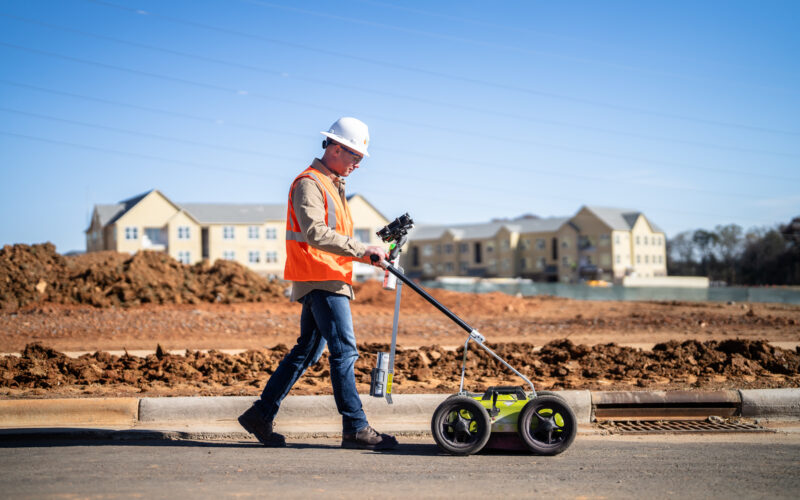
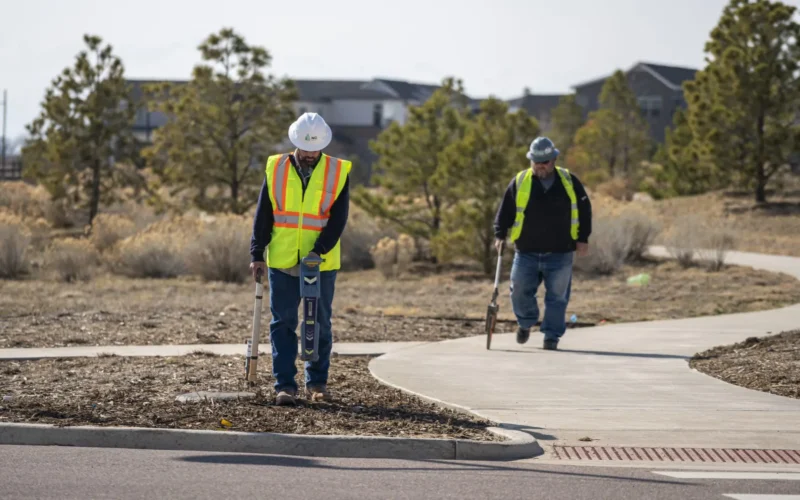
Utility locating is the process of identifying and mapping the position of underground utilities such as gas lines, water mains, sewer pipes, electrical conduits, fiber optic cables, and telecommunications lines. Professional utility locators use specialized electronic equipment, including electromagnetic (EM) locators and ground penetrating radar (GPR), to detect and trace these buried utilities without excavation. The results are typically marked on the ground surface using paint, flags, or stakes, and documented in a detailed report for the project team.
When Do I Need Utility Locating Services?
You should consider utility locating services any time you plan to dig or disturb the ground surface. This includes construction excavation, trenching for new utility installations, fence post installation, landscaping projects, and even planting large trees. While the public 811 service provides free marking of publicly owned utilities, it does not locate privately owned utilities such as those on commercial or industrial properties, within campuses, or serving individual buildings. A private utility locating service like NG Companies fills this gap by identifying all subsurface utilities, both public and private.
How Accurate Is Utility Locating?
The accuracy of utility locating depends on several factors, including the type and age of the utility, soil conditions, surface congestion, and the skill of the technician. Under favorable conditions, electromagnetic locating can typically identify the horizontal position of a metallic utility within a few inches. Ground penetrating radar can detect both metallic and non-metallic utilities, though accuracy varies with soil conditions and utility depth. Professional locators will communicate any limitations or uncertainties in their findings, and many recommend hydrovac potholing to visually confirm critical utility locations before excavation begins.
What Should I Expect from a Locating Service?
A professional utility locating service should arrive on time, conduct a thorough survey of the project area, clearly mark all detected utilities using standard APWA color codes, and provide a detailed report documenting their findings. The report should include a site plan showing utility locations, notes on any areas where detection was limited, and recommendations for additional investigation if warranted. NG Companies delivers all of this as part of our standard locating service, ensuring that our clients have the information they need to proceed safely and confidently with their projects.