Utility Locating Services: 5 Key Factors to Consider Before You Hire
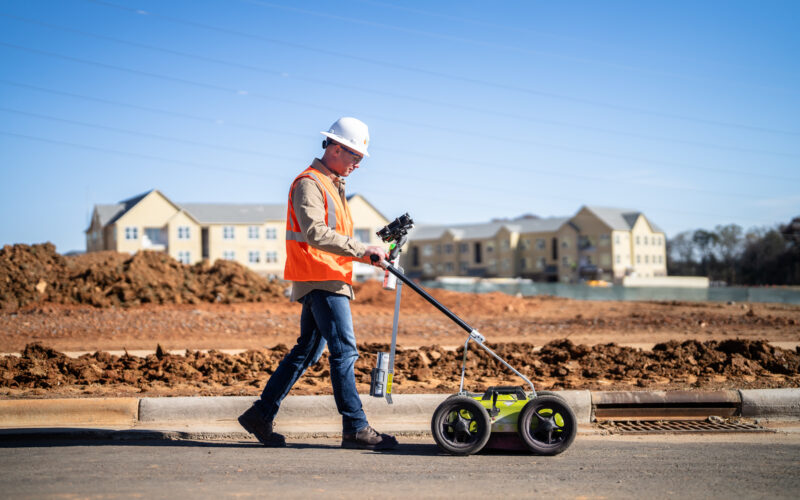
Accurate utility locating is one of the most important steps in any construction or excavation project. Failing to identify the precise location of underground utilities can lead to accidental strikes, service disruptions, project delays, and significant financial liability. But not all utility locating services are created equal. Before you hire a provider, there are five key factors you should evaluate to ensure you are getting reliable, professional service.
1. Technology and Equipment
The accuracy of utility locating depends heavily on the technology being used. Look for a provider that employs multiple locating methods, including electromagnetic (EM) locating, ground penetrating radar (GPR), and acoustic locating. Different technologies excel at detecting different types of utilities and soil conditions, so a provider that relies on a single method may miss critical infrastructure. NG Companies uses a full suite of advanced locating technologies to provide comprehensive subsurface mapping regardless of site conditions.
2. Technician Training and Certification
Even the best equipment is only as good as the person operating it. Utility locating requires specialized knowledge in interpreting signals, understanding utility construction methods, and recognizing the limitations of each locating technology. Ask about the provider’s training programs, technician certifications, and experience level. Qualified technicians should hold relevant industry certifications and have extensive field experience in the types of utilities common to your project area.
3. Insurance and Liability Coverage
Utility locating carries inherent risks, and you need to ensure your provider has adequate insurance coverage to protect your project in the event of an error. Verify that the company carries professional liability insurance (errors and omissions coverage) in addition to standard general liability and workers’ compensation policies. This coverage is your financial safety net if a locate error leads to a utility strike and resulting damages.
4. Reporting and Documentation
A professional utility locating service should provide clear, detailed documentation of their findings. This typically includes a marked-up site plan showing the horizontal location of detected utilities, depth estimates where available, and photographs of all surface markings. The report should clearly distinguish between confirmed and suspected utility locations and note any areas where conditions limited the effectiveness of the locating equipment. This documentation becomes a critical reference for your excavation crews and serves as a record of due diligence.
5. Reputation and References
Finally, take the time to check the provider’s reputation in the industry. Ask for references from recent projects similar to yours, and follow up with those references to learn about the provider’s accuracy, professionalism, and responsiveness. A company with a strong track record of satisfied clients and accurate locates is worth the investment. NG Companies has built its reputation on delivering reliable utility locating services that contractors and project owners trust to protect their projects and their bottom line.