When Should Contractors Use Hydrovac Excavation? 7 Common Job Site Situations

Hydrovac excavation has become an indispensable tool for contractors across the country, but knowing exactly when to deploy it can make the difference between an efficient project and an unnecessarily expensive one. While hydrovac technology is versatile enough for many applications, there are specific job site situations where it truly shines as the superior excavation method.
1. Utility Exposure and Daylighting
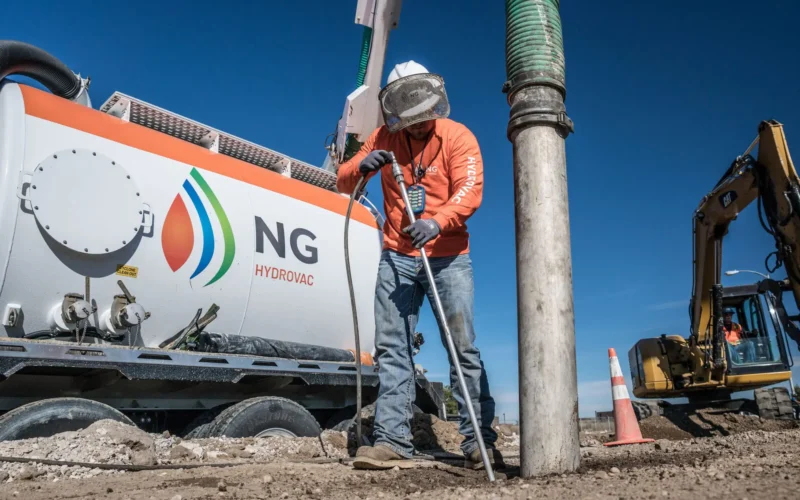
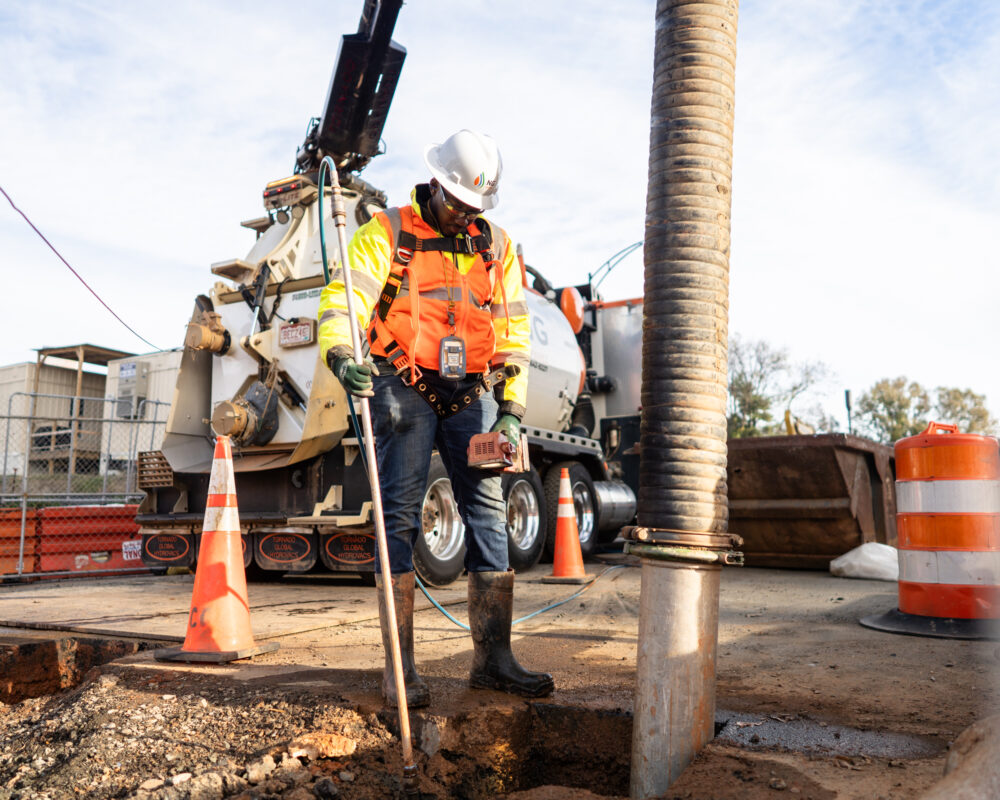
The most common application for hydrovac excavation is exposing buried utilities for visual confirmation. Known as “daylighting” or “potholing,” this process involves excavating small test holes to verify the exact location, depth, and condition of underground utilities before full-scale construction begins. The non-destructive nature of hydrovac makes it the safest way to expose gas lines, electrical conduits, fiber optic cables, and water mains without risk of damage.
2. Potholing and Slot Trenching
When engineers need to verify underground utility maps or create narrow trenches for new installations, hydrovac provides the precision required. Slot trenching with hydrovac creates clean, narrow channels that minimize surface disruption and reduce the volume of material that needs to be removed and replaced. This is particularly valuable in urban environments where minimizing the construction footprint is essential.
3. Cold Weather and Frozen Ground Conditions
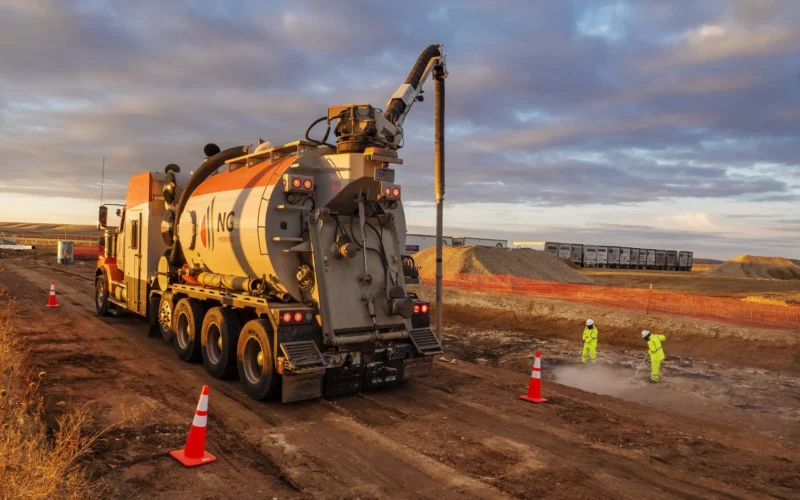
Traditional excavation equipment struggles with frozen ground, but hydrovac units equipped with heated water systems can effectively break through frost and frozen soil. This capability makes hydrovac the go-to solution for winter excavation projects in northern climates, where ground frost can extend several feet below the surface. The heated water efficiently thaws and loosens frozen soil without the jarring impact of mechanical breakers.
4. Confined Spaces and Congested Areas
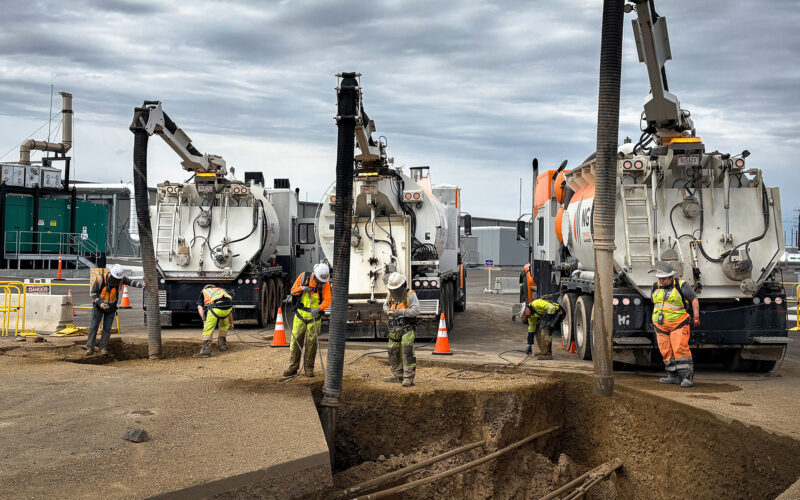
Job sites in dense urban areas, near existing structures, or in other confined spaces present unique challenges for traditional excavation equipment. Hydrovac trucks can operate from a distance using extended hose lengths, allowing the operator to excavate in tight spots where a backhoe or excavator simply cannot fit. This remote digging capability also reduces the need for shoring and other safety measures typically required in confined excavation areas.
5. Sensitive Environments
Projects near environmentally sensitive areas, historical sites, or critical infrastructure require the gentlest possible excavation approach. Hydrovac minimizes soil disturbance, reduces the risk of contamination, and preserves the integrity of surrounding structures and landscapes. For these reasons, many municipalities and regulatory agencies now specify hydrovac as the required excavation method for work in protected areas.
6. Emergency Utility Repairs
When a utility break or leak requires immediate attention, hydrovac can quickly and safely expose the damaged section without risking further damage to adjacent utilities. The speed and precision of hydrovac excavation are critical in emergency situations where every minute of downtime translates to lost revenue and public inconvenience.
7. Pre-Construction Site Investigation
Before breaking ground on any major construction project, a thorough subsurface investigation can save significant time and money. Hydrovac allows contractors to verify as-built drawings, identify unmarked utilities, and assess soil conditions with minimal site disturbance. NG Companies provides hydrovac services across multiple states, helping contractors make informed decisions before committing to full-scale excavation.